
Shelf Life Testing Services for Food Products
Ensure the safety, quality, and longevity of your food products with professional shelf life testing services from MyFoodExpert. Our expert team conducts comprehensive food shelf life analysis, expiry date determination, and product stability testing to help manufacturers maintain high-quality food products, comply with FSSAI, ISO, and HACCP standards, and prevent spoilage. By leveraging microbial testing, chemical stability assessments, packaging evaluations, and environmental storage simulations, we accurately determine the optimal consumption period for packaged and perishable foods. Trust our shelf life testing services to enhance food safety, improve product quality, and strengthen your brand reputation.
What is Shelf Life?
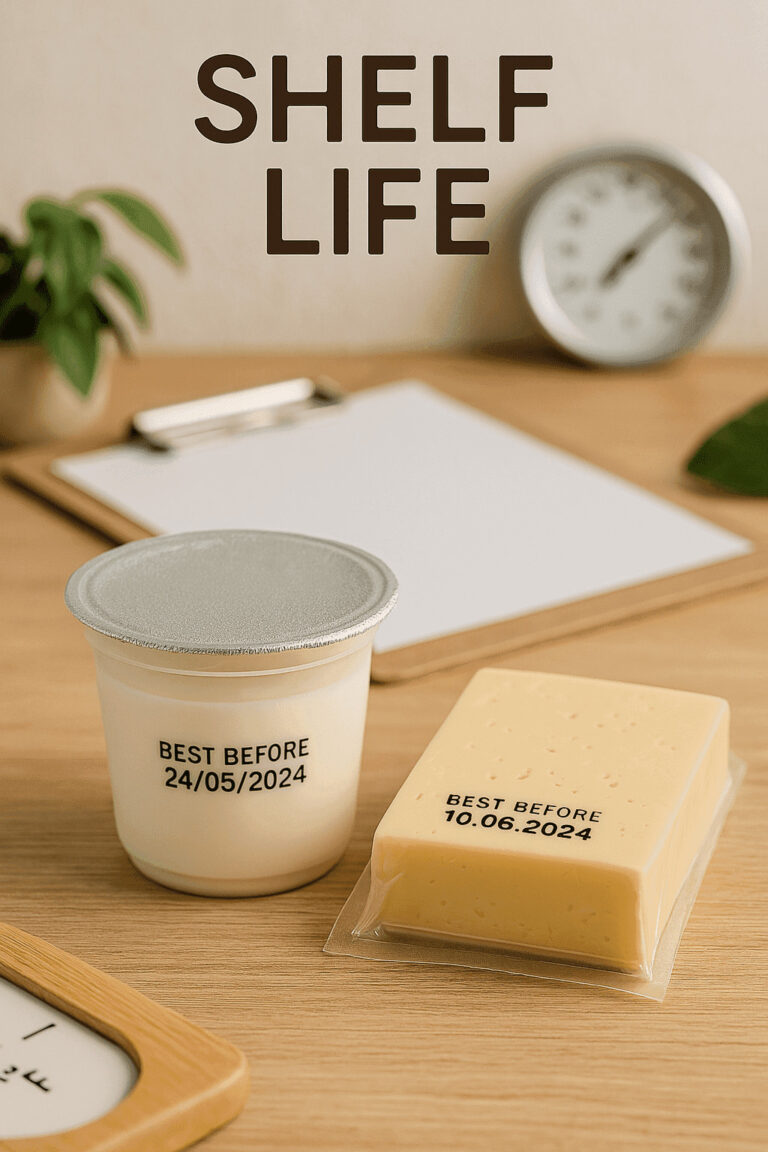
Shelf life refers to the period during which a food product remains safe, nutritious, and palatable under specific storage conditions. Understanding shelf life is essential for manufacturers, distributors, and consumers to prevent spoilage, ensure food safety, and comply with FSSAI and ISO regulations. Accurate shelf life determination involves evaluating microbial stability, chemical reactions, packaging effectiveness, and environmental factors, ensuring your products reach consumers at peak quality.
Please send us your enquiry and get expert assistance today.
Ensure Food Safety, Quality, and Compliance with Expert Shelf Life Testing Services. Guarantee that your food products are safe, fresh, and high-quality from production to consumption. At MyFoodExpert, we offer advanced shelf life testing services designed to support expiry date determination, microbial testing, chemical stability analysis, and packaging performance evaluation—all tailored to meet the stringent requirements of FSSAI regulations, ISO certification standards, and HACCP guidelines.
With MyFoodExpert’s real-time shelf life monitoring, accelerated shelf life testing, and predictive modeling solutions, you can streamline your product development, reduce waste, and maintain consistent food product quality. Our expert team assists you with expiry date certification, nutritional stability analysis, and effective packaging solutions, ensuring that your brand stands out in competitive marketplaces.
Factors Affecting Shelf Life of Food Products
Determining the shelf life of food products depends on multiple scientific and environmental factors. Understanding these elements is essential for food safety testing, expiry date determination, and FSSAI compliance. Below are the most critical factors that influence food shelf life and product stability:
• Microbial Stability and Contamination
One of the leading causes of reduced shelf life is microbial growth, including bacteria, yeast, and mold. Microbial contamination not only leads to food spoilage but also poses serious health hazards for consumers.
Shelf life microbial testing helps detect contamination risks, prevent foodborne illnesses, and ensure products remain safe throughout storage and distribution.
For example, dairy products and ready-to-eat foods are highly prone to microbial instability and require strict testing protocols.
• Chemical Reactions and Nutrient Degradation
Chemical instability can cause oxidation, rancidity, color changes, and nutrient loss in food products. Over time, enzymatic reactions degrade taste, texture, aroma, and overall product quality.
Through chemical stability testing, manufacturers can monitor these changes and take corrective actions to extend shelf life.
For instance, oils and snacks with high fat content are especially vulnerable to oxidation, leading to rancidity and reduced consumer acceptance.
• Moisture Content and Water Activity
Moisture plays a critical role in food stability.
High moisture levels accelerate microbial growth and spoilage.
Low moisture content can negatively impact texture, crispness, and taste.
Conducting moisture analysis and water activity testing ensures accurate shelf life predictions.
For example, biscuits require controlled moisture to maintain crunchiness, while dehydrated foods must stay free from excess humidity.
• Packaging Materials and Protection
Packaging acts as the first line of defense in maintaining shelf life. High-quality packaging prevents exposure to air, light, oxygen, and humidity, which are common triggers of food degradation.
Shelf life packaging evaluation ensures that the chosen packaging material (plastic, glass, or multilayer films) effectively protects food products.
For instance, vacuum-sealed packaging extends the shelf life of meat products by reducing oxygen exposure.
• Environmental Storage Conditions
The conditions under which food is stored greatly impact its shelf life. Temperature, humidity, and light exposure can accelerate microbial growth and chemical breakdown.
Environmental simulation testing replicates real-world storage and transport conditions to predict actual shelf life.
Cold storage, for example, significantly prolongs the shelf life of frozen foods, while improper humidity can quickly spoil bakery items.
Key Takeaway
By carefully analyzing microbial stability, chemical reactions, moisture levels, packaging, and environmental storage conditions, businesses can accurately determine the shelf life of food products. These factors not only ensure food safety and compliance with FSSAI/ISO standards but also help in maintaining quality, freshness, and customer trust.
Shelf Life Testing Methods for Food Products
Determining the accurate shelf life of food products requires a combination of scientific testing methods and real-world simulations. At MyFoodExpert, we provide comprehensive shelf life testing services using advanced methodologies to ensure your products remain safe, high-quality, and compliant with FSSAI, ISO, and HACCP standards. Our testing techniques cover microbial stability, chemical analysis, sensory evaluation, and packaging effectiveness, giving manufacturers precise insights for expiry date determination and food product stability analysis.
1. Accelerated Shelf Life Testing (ASLT)
Accelerated Shelf Life Testing simulates extreme storage conditions such as elevated temperature, humidity, or light exposure to quickly predict product longevity.
This method helps manufacturers identify potential shelf life issues early and optimize product formulations, packaging, and storage conditions.
2. Real-Time Shelf Life Testing
Real-time shelf life testing monitors products under normal storage and distribution conditions to measure actual stability over time.
This method provides precise insights into how temperature, humidity, and packaging affect product quality throughout its lifecycle.
3. Predictive Modeling for Shelf Life
Predictive modeling uses scientific algorithms to estimate shelf life based on ingredients, packaging type, and environmental factors.
It allows manufacturers to forecast product longevity before launch, optimize formulations, and reduce the risk of premature spoilage.
4. Microbial Testing
Microbial shelf life testing evaluates the growth of bacteria, yeast, and mold in food products.
By identifying potential microbial contamination, this method ensures food safety, regulatory compliance, and extended product shelf life.
Example: Dairy, ready-to-eat meals, and high-moisture foods require strict microbial analysis.
5. Chemical Stability Analysis
Chemical shelf life testing monitors oxidation, rancidity, and enzymatic reactions that degrade taste, aroma, texture, and nutritional value.
This method is especially important for oils, snacks, dairy products, and packaged foods to maintain food quality and consumer acceptability.
6. Sensory Evaluation
Sensory evaluation assesses taste, odor, appearance, and texture of food products to determine consumer acceptability over time.
Sensory testing ensures that products not only remain safe but also continue to meet quality expectations throughout their shelf life.
7. Packaging Effectiveness Testing
Packaging plays a critical role in maintaining shelf life. We analyze packaging barriers such as air, light, moisture, and oxygen permeability to ensure products remain safe and fresh.
Proper packaging selection combined with shelf life testing helps extend product longevity and reduce food waste.
Key Takeaway
By combining accelerated testing, real-time monitoring, predictive modeling, microbial and chemical analysis, sensory evaluation, and packaging assessment, manufacturers can accurately determine the shelf life of food products, comply with FSSAI and ISO standards, and deliver safe, high-quality, and long-lasting foods to consumers.
Accreditations & Compliance for Shelf Life Testing Services
At MyFoodExpert, our shelf life testing services are backed by trusted accreditations and rigorous regulatory compliance, ensuring accuracy, reliability, and credibility in every test. Our laboratory adheres to globally recognized standards and follows strict protocols to provide manufacturers with precise food shelf life analysis and expiry date determination.
• FSSAI Compliance – Indian Food Safety Standards
All our shelf life testing procedures strictly follow FSSAI (Food Safety and Standards Authority of India) regulations. This ensures that every tested food product meets Indian food safety requirements and is certified as safe for consumption.
• ISO/IEC 17025 – Technical Expertise & Accurate Results
Our laboratory operates under ISO/IEC 17025 standards, demonstrating technical competence and consistency in testing. This certification guarantees that our food shelf life testing services deliver valid, repeatable, and accurate results for every batch.
• NABL Accreditation – International Testing Protocols
We are NABL-accredited, showcasing our adherence to international food testing protocols. This accreditation highlights the exceptional quality and reliability of our laboratory services, giving manufacturers confidence in the accuracy of microbial, chemical, and packaging testing.
• Export Compliance – APEDA and Other Certifications
For businesses aiming to enter global markets, our laboratory ensures full export compliance. We follow APEDA and other international regulatory guidelines to certify food products for safe export, helping clients meet overseas shelf life and safety requirements.
• Key Takeaway
With FSSAI compliance, ISO/IEC 17025 certification, NABL accreditation, and export-ready testing, MyFoodExpert provides trusted and accurate shelf life testing services. Our accredited laboratory guarantees food safety, product stability, and regulatory compliance, helping manufacturers confidently deliver high-quality and long-lasting food products to the market.
Compliance & Certifications for Shelf Life Testing Services
At MyFoodExpert, our shelf life testing services strictly adhere to national and international food safety standards, ensuring every product is tested with accuracy, reliability, and regulatory compliance. By following recognized guidelines and certifications, we provide manufacturers with credible, high-quality, and legally compliant shelf life analysis.
• FSSAI Regulations – Indian Food Safety Compliance
Our testing services fully comply with FSSAI (Food Safety and Standards Authority of India) regulations, guaranteeing that all food products meet Indian safety and quality standards. This ensures consumer safety, regulatory adherence, and market credibility for every tested product.
• ISO Standards – International Quality Assurance
We follow ISO standards to maintain consistent, high-quality testing practices. This includes rigorous protocols for microbial, chemical, sensory, and packaging analysis, delivering accurate and globally recognized shelf life testing results.
• HACCP Guidelines – Hazard Analysis & Food Safety
Our laboratory implements HACCP (Hazard Analysis and Critical Control Points) guidelines to identify and control potential hazards in food products. This ensures food safety at every stage of testing, from sample collection to final analysis.
• GMP Practices – Standardized & Hygienic Testing
We follow GMP (Good Manufacturing Practices) to maintain hygienic and standardized testing processes. This guarantees that all shelf life testing services are conducted in a safe, clean, and controlled laboratory environment.
• Key Takeaway
By integrating FSSAI regulations, ISO standards, HACCP guidelines, and GMP practices, MyFoodExpert ensures that every shelf life testing service is fully compliant, accurate, and reliable. Our commitment to regulatory compliance and quality assurance helps food manufacturers maintain safety, shelf life, and product integrity, giving consumers confidence in their products.
Why Choose MyFoodExpert for Food Shelf Life Testing Services
Choosing the right partner for shelf life testing of food products is essential to ensure food safety, product stability, and regulatory compliance. At MyFoodExpert, we combine technical expertise, industry certifications, and advanced methodologies to provide reliable, accurate, and customized testing services tailored to your business needs.
Experienced Food Testing Professionals
Our team of experts specializes in shelf life analysis, food product stability testing, microbial testing, and chemical evaluation, helping you extend shelf life, maintain quality, and ensure consumer safety across all product categories.
Accredited and Certified Laboratory
We operate under strict quality standards, certified by FSSAI (Food Safety and Standards Authority of India), ISO/IEC 17025, and following HACCP guidelines. These certifications ensure that our shelf life testing services are compliant with both Indian and international food safety regulations.
Tailored Shelf Life Testing Solutions
Every food product is unique. We offer custom shelf life testing services based on product formulation, packaging materials, storage environment, and distribution requirements to help you accurately determine expiry dates and predict product performance.
Fast, Accurate, and Actionable Results
Our laboratory delivers timely shelf life reports with scientifically validated data, helping you make informed decisions related to expiry date determination, product formulation improvements, and regulatory filings for domestic and export markets.
Advanced Testing Methods
We employ real-time shelf life testing, accelerated stability studies, microbial analysis, chemical degradation assessments, sensory evaluation, and packaging performance testing to give a comprehensive view of product longevity and safety.
Not sure which test to book?
Send us an enquiry or call, we will help you with the appropriate test for your requirement.
Frequently Asked Questions (FAQ) – Food Shelf Life Testing Services
1. What is shelf life testing for food products?
Shelf life testing for food products is a scientific process used to determine how long a product remains safe, nutritious, and appealing under specific storage conditions. It includes microbial testing, chemical stability analysis, sensory evaluation, and packaging effectiveness to predict expiration dates, ensure food safety compliance, and maintain product quality throughout its lifecycle.
2. Why is shelf life testing important for food safety and compliance?
Shelf life testing is critical for ensuring food safety, regulatory compliance, and consumer trust. It helps businesses meet FSSAI regulations, ISO standards, HACCP guidelines, and other local or international safety requirements. Accurate shelf life data prevents food spoilage, reduces waste, and supports export certification by meeting global safety benchmarks.
3. What factors affect the shelf life of food products?
The shelf life of food products is influenced by:
- Microbial contamination from bacteria, yeast, and mold
- Chemical reactions such as oxidation and rancidity
- Moisture content and water activity levels
- Packaging materials and their barrier properties
- Environmental storage conditions, including temperature, humidity, and light exposure
Understanding these factors helps manufacturers design safe, stable, and long-lasting products.
4. What are the common methods of shelf life testing?
Popular shelf life testing methods include:
- Accelerated shelf life testing for quick prediction of product stability
- Real-time shelf life testing to monitor product behavior in normal conditions
- Predictive modeling using scientific algorithms based on ingredients and packaging
- Microbial testing to assess foodborne risks
- Chemical analysis for oxidation, rancidity, and nutrient degradation
- Sensory evaluation to monitor taste, texture, and appearance
- Packaging effectiveness testing to ensure optimal protection against air, moisture, and light
5. How long does shelf life testing take?
The duration of shelf life testing depends on the method used and the nature of the product:
- Accelerated tests can deliver results within weeks by simulating extreme conditions.
- Real-time tests require extended periods, sometimes months, to monitor natural product degradation under regular storage settings.
Our experts help select the most suitable testing method based on your business timeline and compliance needs.
6. Is shelf life testing mandatory for food products?
While not all products legally require shelf life testing, it is highly recommended and often necessary for:
- Complying with FSSAI food safety regulations
- Meeting export requirements like APEDA guidelines
- Gaining retailer approval and enhancing brand reputation
- Ensuring consumer safety and preventing product recalls
Accurate shelf life data is essential for market success and legal protection.
7. How does MyFoodExpert ensure accurate and reliable shelf life testing?
At MyFoodExpert, we use state-of-the-art laboratory equipment and follow strict protocols under ISO/IEC 17025, FSSAI, and HACCP guidelines. Our NABL-accredited lab ensures scientifically validated results with full traceability, supporting businesses in expiry date determination, product reformulation, and market compliance.
8. Can shelf life testing help with product development and packaging optimization?
Yes! Shelf life testing plays a crucial role in product development by:
- Identifying formulation weaknesses
- Recommending optimal packaging materials for extended shelf life
- Reducing microbial and chemical risks
- Enhancing texture, taste, and appearance during storage
Our customized testing services provide actionable insights that boost product innovation and consumer satisfaction.
9. Does shelf life testing support food export and international certification?
Absolutely! Our export-compliant shelf life testing services follow APEDA guidelines, ISO standards, and other global requirements to help food manufacturers secure export certifications. Accurate shelf life reports also assist in meeting regulatory documentation, helping you expand into global markets with confidence.
10. How can I get started with shelf life testing services at MyFoodExpert?
Getting started is simple. Contact us to discuss your food product type, storage conditions, and compliance requirements. We offer customized shelf life testing packages, expert consultation, and detailed reporting to ensure your product meets safety standards and consumer expectations.